Choose "Make this ad premium" at checkout.
22.99 Dollar US$ How to Create a Positive Environment That Encourages Self-Esteem London
- Location: London, London, United Kingdom
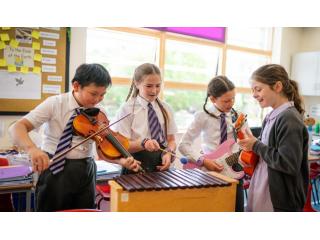
Creating an environment that fosters high self-esteem is one of the most significant contributions a practitioner can make to a child's development. Self-esteem is not an innate trait that children are born with; rather, it is a psychological construct built over time through consistent interactions, emotional safety, and the reflection of their worth in the eyes of the adults around them. In a childcare or youth work setting, a positive environment is more than just a colorful room with toys; it is an emotional climate where children feel heard, respected, and valued for who they are, rather than just what they can achieve. When a child feels secure in their environment, they are more likely to take risks, engage in learning, and develop the resilience necessary to navigate the challenges of growing up.
The Power of Positive Reinforcement and Authentic Praise
One of the most effective tools for building self-esteem is the use of positive reinforcement. However, in a truly positive environment, the focus must be on authentic, effort-based praise rather than generic compliments. When an adult says, "I noticed how hard you worked on sharing that toy," they are validating the child's effort and specific positive behavior. This helps the child internalize a sense of competence. In contrast, hollow praise like "Good job" can eventually become meaningless. A structured environment encourages children to recognize their own progress, shifting the locus of evaluation from the adult to the child themselves, which is a key component of long-term self-confidence.
Practitioners who have studied for adiploma for the children and young people's workforce are trained to look for "micro-moments" of success. These are the small, everyday victories that might otherwise go unnoticed. By highlighting these moments, the caregiver helps the child build a positive internal narrative. It is also vital to create a "no-fail" zone where mistakes are viewed as learning opportunities rather than setbacks. When children aren't afraid of making mistakes, their self-esteem remains intact even when they encounter difficulty. This cultural shift within a setting requires a deep understanding of child psychology and a commitment to consistent, positive communication.
Encouraging Autonomy and Choice-Making
A positive environment is one where children have a voice and a degree of control over their daily lives. Autonomy is a major driver of self-esteem. When children are given age-appropriate choices—such as which activity to start with or how to solve a minor conflict with a peer—they learn that their opinions matter and that they are capable of making decisions. This sense of agency prevents the feelings of helplessness that can lead to low self-worth. In a youth work context, this might involve involving young people in the planning of programs or the setting of ground rules, which fosters a sense of ownership and mutual respect.
Developing the skills to facilitate autonomy without compromising safety or boundaries is a core competency developed during a diploma for the children and young people's workforce. It requires the practitioner to step back and act as a facilitator rather than a director. By providing a "scaffolded" environment where children can test their limits safely, caregivers help them develop a realistic sense of their own abilities. This empowerment is particularly crucial for children who may come from backgrounds where they have had little control over their circumstances. Providing a stable, choice-rich environment in a professional setting can be transformative for their self-perception and future outlook.
Creating a Culture of Inclusion and Belonging
No child can develop healthy self-esteem if they do not feel they belong. A positive environment must be intentionally inclusive, celebrating diversity in all its forms. This means that the physical environment—the books, the images on the walls, and the languages spoken—should reflect the identities of all the children in the workforce. When a child sees themselves represented in their surroundings, it sends a powerful message that they are an integral part of the ********** A sense of belonging acts as a protective factor, shielding children from the negative impacts of social exclusion and helping them feel secure enough to express their unique personalities.


Useful information
- Avoid scams by acting locally or paying with PayPal
- Never pay with Western Union, Moneygram or other anonymous payment services
- Don't buy or sell outside of your country. Don't accept cashier cheques from outside your country
- This site is never involved in any transaction, and does not handle payments, shipping, guarantee transactions, provide escrow services, or offer "buyer protection" or "seller certification"
Related listings
-
 Mom & Dad Tired? Get Your Kid CBSE Class 6 Online Tuition Today !Tutoring - Private Lessons - Auckland (New Zealand) - May 19, 2026 Check with seller
Is your child's CBSE Class 6 report card making you want to pull your hair out? Are they mysteriously "forgetting" their homework...again? Get some peace with the best online tuition for class 6 by Ziyyara! We'll take care of the teaching while you r...
-
 upsc coaching in jaipurTutoring - Private Lessons - Jaipur (Rajasthan) - May 13, 2026 Check with seller
Best UPSC Coaching in Jaipur : Are you looking for the top-notch UPSC coaching in Jaipur? Join No.1 Civil Services Coaching Institute located in Jaipur, Kojaram IAS Academy. Do Inquiry today. Best UPSC Coaching in Jaipur : Are you looking for th...
-
UiPath RPA Online Training by Real-time Trainer in IndiaTutoring - Private Lessons - Campbelltown (Adelaide) - May 13, 2026 Check with seller
UiPath RPA Online Training VISWA Online Trainings offers comprehensive UiPath RPA Online Training, designed for freshers and working professionals who want to build expertise in Robotic Process Automation (RPA) and automate real-world business proces...